

A Simple Guide for Absolute Beginners
What is Cryptocurrency? If you’ve ever wondered what cryptocurrency really is — this article will explain it in plain English, no tech jargon required.
1. What Exactly Is Cryptocurrency?
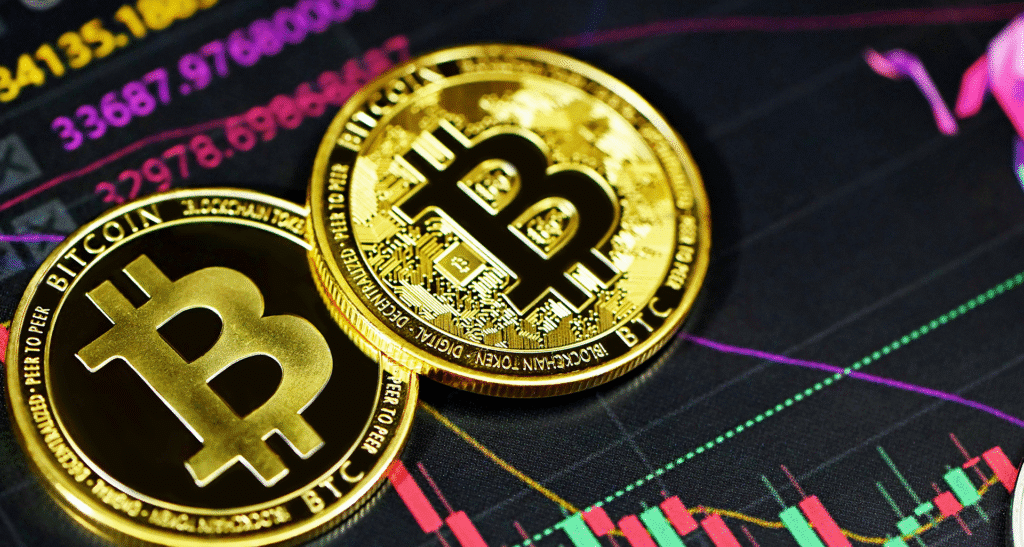
Cryptocurrency is basically digital money — but it works very differently from the dollars in your wallet or the balance in your bank account.
Think of it this way:
When you buy stocks, you’re buying a share of a company, like Apple or Tesla. The company builds products, makes profits, and your stock value changes depending on its success.
With cryptocurrency, you’re buying a digital token that’s often connected to a technology project instead of a traditional company.
| Stocks | Cryptocurrency |
|---|---|
| Owned by a company | Linked to a technology project |
| Traded on stock exchanges | Traded on crypto exchanges |
| Value depends on company success | Value depends on project use and popularity |
In simple terms, cryptocurrency is like owning a small piece of a new digital technology instead of a piece of a company.

2. A Quick History: Where Did It All Start?
The story begins in 2009, when the first cryptocurrency — Bitcoin — appeared.
It was created by an unknown person (or group) using the name Satoshi Nakamoto.
Bitcoin’s main idea was simple but revolutionary:
“What if people could send money directly to each other, without needing a bank?”
That’s how cryptocurrencies started — as an experiment in peer-to-peer digital payments.
Since then, thousands of new cryptocurrencies have been created, each trying to solve a different problem.
Some make payments faster.
Some power online applications.
Some are built to store value, like digital gold.
3. How Many People Use Crypto Today?
You might be surprised: cryptocurrency isn’t just a niche hobby anymore.
Recent global data shows that in 2025, more than 560 million people worldwide own some form of cryptocurrency — about 6.8% of the world’s population.
That’s more than the population of the United States and Japan combined!
- Asia leads the way with the largest number of crypto users.
- The U.S. also has a growing crypto community, with millions of everyday users.
- And each year, more countries introduce regulations and digital-asset innovations.
So if you’re new to this world, you’re still early — there’s plenty of room to learn and grow.

4. Why Do Cryptocurrencies Have Value?
You might wonder: “If it’s just digital, why does it have value?”
Here are the main reasons:
a) Limited Supply
Many cryptocurrencies (like Bitcoin) have a fixed limit on how many coins can ever exist.
Scarcity creates value — just like gold or limited-edition art.
b) Utility (Real Use Cases)
Some cryptocurrencies are used to power digital ecosystems — for example, to pay for transactions, run apps, or store data.
If the network grows, the token’s demand rises, and so does its price.
c) Belief and Adoption
Like any currency, value depends on how many people believe in it and use it.
As more individuals, companies, and even governments explore crypto, confidence (and value) increases.
d) Alternative to Banks
In countries with unstable currencies, cryptocurrencies offer an alternative.
They let people store value or send money without relying on a central bank.
5. Crypto and Stocks: A Simple Analogy
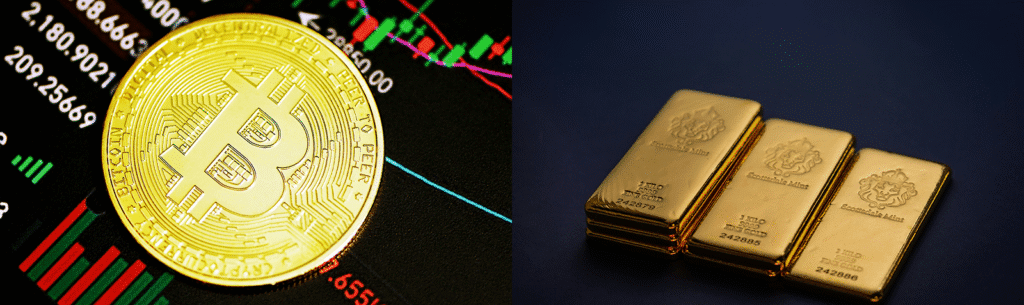
For beginners, it helps to think of crypto as the cousin of the stock market.
When you buy Apple stock, you’re betting that Apple will keep selling iPhones and making profits.
When you buy Ethereum or another crypto, you’re betting that its underlying technology will be used by more people and developers in the future.
Both have risks.
Both have potential rewards.
But crypto is newer, smaller, and tends to be more volatile.
That’s why many people exploring crypto for beginners start by learning before investing.
6. Real Examples of Cryptocurrencies
Let’s look at a few examples you may have heard about.
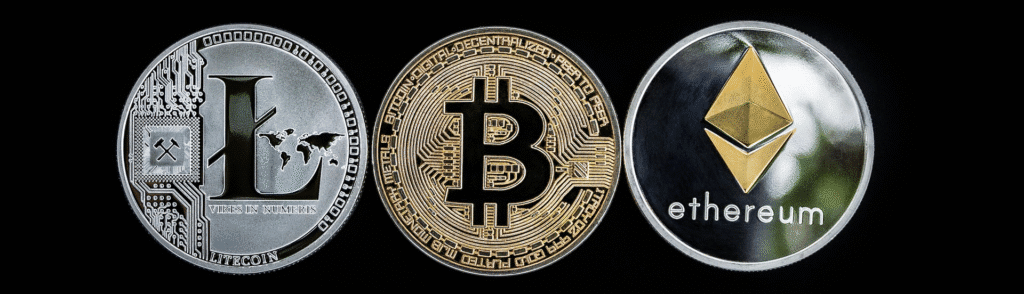
Bitcoin (BTC) — The Original
The “digital gold” of crypto. It’s mainly used as a store of value — people buy it to hold long term, believing its limited supply will make it valuable over time.
Ethereum (ETH) — The Tech Platform
Ethereum isn’t just money — it’s a technology network used by developers to build apps, games, and financial services. Its token, ETH, powers all of that activity.
Stablecoins — The Bridge to Real Money
These are cryptocurrencies tied to traditional currencies like the U.S. dollar (for example, USDT or USDC).
They make it easier to trade without big price swings.
7. Why People Invest in Cryptocurrency
People choose investing in cryptocurrency for several reasons:
- Potential for high returns — Some cryptocurrencies have grown dramatically in value since their launch.
- Diversification — Crypto can be a small, alternative part of a traditional investment portfolio.
- Belief in technology — Many investors see blockchain as the future of digital finance.
- Early opportunity — Since only around 6–7% of the world owns crypto, some see it as an early-stage market similar to the internet in the 1990s.
Of course, this also means higher risk — prices can rise or fall quickly.
8. Crypto for Beginners: How to Get Started
If you’re reading this as someone new to the space, here’s how to safely start with cryptocurrency for beginners.
Step 1: Learn Before You Leap
Spend time understanding what you’re buying. Watch simple videos, read beginner guides, and learn key terms like “wallet”, “exchange”, and “token”.
Step 2: Choose Trusted Platforms
Use well-known exchanges and wallets with good security. Avoid suspicious links or unknown apps.
Step 3: Start Small
You don’t need thousands of dollars to begin. Many apps let you buy small amounts — even $10 or $20.
Step 4: Store Safely
Cryptocurrencies live in digital wallets. Some are online (“hot wallets”), others are offline (“cold wallets”) for extra security.
Step 5: Be Patient
Crypto markets can move fast. Avoid panic buying or selling — think long-term.
9. Choosing the Right Crypto to Invest In
When deciding which crypto to invest in, consider these simple factors:
- Purpose – What is the project actually used for?
- Team – Who built it, and do they have experience?
- Community – Is there a strong base of users and developers?
- Adoption – Are real companies or apps using it?
- Reputation – Is it widely recognized, or is it a new, risky project?
Some people start with major coins like Bitcoin or Ethereum because they’re more established.
As you learn more, you might explore smaller projects — but always research carefully.
10. The Future of Cryptocurrency
So, where is this all going?
Experts believe crypto will become more integrated into everyday life.
- Paying for coffee with digital tokens
- Using blockchain to store medical records or property data
- Governments creating “digital dollars” or “digital euros”
The line between traditional money and digital money is slowly disappearing.
As that happens, cryptocurrencies tied to useful technologies may grow in importance — and potentially in value.

11. Final Thoughts
Cryptocurrency started as an experiment — now it’s becoming part of the global financial system.
To recap:
- It’s digital money, powered by technology instead of banks.
- It’s similar to stocks, but connected to tech projects, not companies.
- Around 6.8% of people worldwide already use it.
- For crypto for beginners, education and patience are key.
- When investing in cryptocurrency, always research and start small.
- Over time, as digital technology grows, the role of crypto will likely expand in daily life.
So whether you’re curious, cautious, or excited, now is a great time to learn — before the next wave of innovation arrives.