

A beginner-friendly guide to buying your first coin and storing it safely
If you’re curious about digital money and wondering how to begin, you’re in the right place. This is a step-by-step guide for someone who has no idea what cryptocurrency is, and wants to start investing in cryptocurrency in a safe and sensible way. We’ll keep things simple, avoid heavy technical terms, and walk you through buying your first coin, setting up your wallet, and protecting your investment.
1. Why Invest in Crypto?
First, let’s answer: why would someone even think about buying crypto to invest in?
- Think of traditional investments: you might buy stocks in a company. You hope the company grows, becomes more valuable, and so your shares become worth more.
- With cryptocurrencies, you are buying a digital asset (a coin or token) that often belongs to a technology project rather than a traditional company. If the project becomes useful and more people use it, the value of the coin may rise.
- For many people, crypto is seen as a new type of investment — one that could grow as digital technology becomes more common in everyday life.
- That doesn’t mean it’s safe or guaranteed. It’s still high-risk. As you begin your journey into crypto for beginners, it’s wise to start carefully and learn the basics.
So, this guide is for you if you want to begin investing in cryptocurrency — not to get rich overnight, but to understand what you’re doing and possibly grow your money over time.
2. Set Your Goals and Understand the Risk
Before you pick a coin or enter an exchange, it’s important to think about your goals and the risks.
Set your goals:
- Are you buying just to learn?
- Or do you want to invest for the long term (years)?
- Or are you willing to take more risk for bigger possible gains?
Understand the risks:
- Crypto prices move up and down a lot. Some coins can lose large amounts in a short time.
- The market is still new, and regulations around the world are changing.
- If you lose access to your wallet or use an unsafe platform, your coins might be lost.
- The rule for cryptocurrency for beginners: only invest money you can afford to lose.
Decide how much to invest:
A common suggestion is to keep your crypto exposure modest while you’re learning. For example, you might decide to invest just a small percentage of your overall savings into crypto.
3. Choose a Reliable Exchange
An “exchange” is simply a platform where you can buy, sell, or trade cryptocurrencies.
There are two main types of cryptocurrency exchanges: centralized and decentralized.
Centralized exchanges act as middlemen, making it easy for beginners to buy and sell crypto using traditional money (fiat currency).
They offer user-friendly interfaces, customer support, and high liquidity, but users must trust the platform with their funds.
Decentralized exchanges run without a central authority, allowing people to trade directly from their wallets.
They provide more privacy and control but can be harder to use for newcomers.
Both types play a key role in the crypto ecosystem, offering different levels of security, freedom, and convenience.
Steps to pick an exchange:
- Choose one that is well-known, has good reviews, and strong security.
- Make sure it allows users in your country.
- Check fees: some exchanges charge higher fees for buying with a bank or card.
- Ensure they support “fiat” currency (like USD, EUR) so you can use your regular bank or card to fund purchases.
Example path:
- Sign up for the exchange.
- Complete “Know Your Customer” (KYC) steps: verify your identity with ID, maybe upload passport or driver’s license.
- Enable two-factor authentication (2FA) so your account is more secure.
- Link your bank account or card to fund the purchase.
4. Buy Your First Cryptocurrency
Now comes the fun part: buying your first coin.
Simple steps:
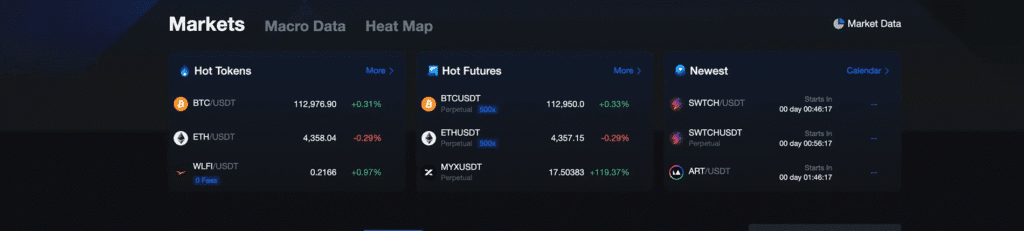
- On your chosen exchange, find the section like “Buy Crypto” or “Trade”.
- Choose the digital asset you want to start with. For many beginners, it’s safest to pick a major coin like Bitcoin (BTC) or Ethereum (ETH) because they are widely supported and better known.
- Enter how much you want to spend (for example, €50 or €100) — you don’t need to buy “one whole coin”; you can buy a fraction.
- Review fees and confirm the purchase. The coin will be credited to your exchange wallet.
Tip: Consider using “dollar-cost averaging” (buying small amounts regularly) instead of putting a large amount in at once — this is often recommended for beginners.
5. Securely Store Your Crypto (Your Wallet)
Once you’ve bought your coin, you need to store it safely. Think of it like putting cash in a secure safe. In crypto, that “safe” is your wallet.
Types of wallets:
- Hot wallet: an app on your phone or computer connected to the internet. Easy to access, but more vulnerable to hacks.
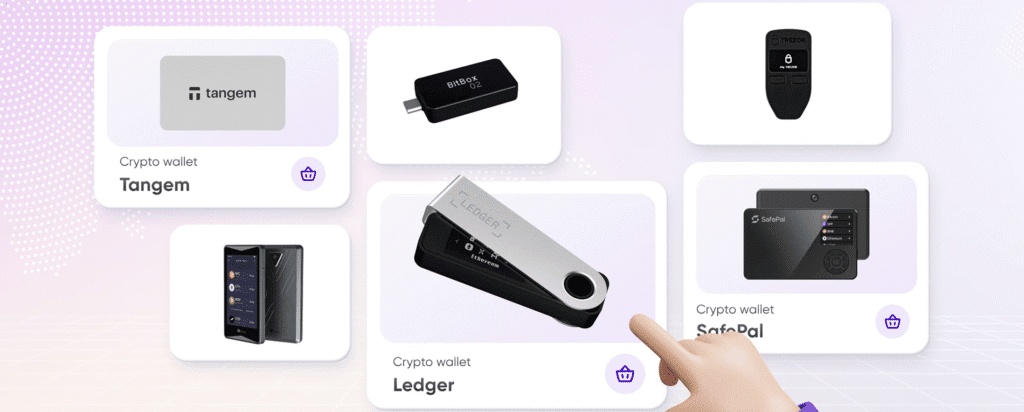
- Cold wallet (hardware wallet): a physical device (USB-like) kept offline. Much more secure for long-term holding.
Steps to set up storage:
- If you’re a beginner, you may keep your coins in the exchange wallet (since the exchange handles the technical details). But understand: you don’t fully control the private keys.
- If you want more control, set up your own wallet: choose a reputable wallet provider, follow setup instructions, write down the recovery phrase and keep it safe.
- Transfer your coins from the exchange to your wallet if you plan to hold long-term.
- Enable 2FA, use a strong password, don’t share your private key, and be aware of phishing scams.
Important: If you lose access to your wallet (forget password, lose recovery phrase) you may lose your coins — there’s usually no way to recover them. So take this seriously.
6. Monitor Your Investment and Stay Informed
Now that you own crypto, what next? It’s not “buy and forget” (unless you choose that strategy) — you’ll want to keep an eye on things and keep learning.
What to do:
- Check your wallet occasionally, but avoid watching price every minute (can be stressful!).
- Keep learning about the coin you bought: what it does, why people use it.
- Be aware of crypto scams: fake coins, phishing sites, and hype can mislead newcomers.
- Understand that the market is volatile — big ups and downs are normal. Don’t panic sell because the price dropped a bit.
- Decide ahead of time: how long do you plan to hold? Are you in for the long term, or do you plan to trade? For many beginners, a long-term “hold” strategy makes sense.
7. Choosing a Good Coin to Invest In
You asked “how to pickcrypto to invest in?” Here are simple criteria for beginners:
- Choose well-known coins with large user bases (e.g., Bitcoin, Ethereum). They are less risky than very new coins.
- Understand what the coin does: is it used for payments, apps, or something else? If you buy a coin, you’re investing in its future usefulness.
- Check the wallet, exchange availability, and community support: if a coin is hardly traded or unknown, it might be riskier.
- Avoid putting all your eggs in one basket: you might own one major coin and maybe one smaller coin (once you’re more comfortable).
Remember: even the best coin can drop, so stay cautious.
8. Mistakes Beginner Investors Should Avoid
As a beginner in crypto, you’ll learn quickly — but you can avoid some common pitfalls:
- Don’t invest all your savings into crypto.
- Don’t chase “get rich quick” promises or hype around new coins.
- Don’t keep large amounts on exchanges long-term — transfer to your own secure wallet if holding.
- Don’t ignore security: weak passwords, no 2FA, sharing private keys = danger.
- Don’t ignore tax or legal implications: depending on your country, you may need to report crypto holdings/profits.
- Don’t skip the “learn part” — taking time now will save mistakes later.
9. Long-Term Mindset and Next Steps
If you’re in this for the long term (which is often wise for beginners), here are ways to think about it:
- Decide to hold for one year, two years, five years — this helps you ride out the ups and downs.
- Keep learning: join beginner communities, read trusted sources, ask questions.
- Revisit your goals occasionally: have they changed? Do you want to add more coins? Or maybe just watch this ride?
- Always keep your security practices up to date: upgrade your wallet, stay alert for scams, remain cautious.
10. Final Thoughts: You’re in the Driver’s Seat
To sum up:
- Starting to invest in cryptocurrency doesn’t have to be scary if you go slowly and learn step by step.
- Pick a good exchange, buy your first coin with money you can afford to lose, set up a secure wallet, and monitor your investment.
- Use key phrases you’ll remember: crypto for beginners, cryptocurrency for beginners, investing in cryptocurrency, crypto to invest in.
- With cautious steps, you can join the world of digital assets and be prepared for growth — while being aware of the risks.